Time Creep
Some records arrive polished, packaged and desperate to tell you exactly what they are. Movement of Youth, the debut album from Ypsilanti, Michigan’s Time Creep, takes a rather more interesting route, emerging from basements, attics, trailers and improvised recording spaces with its wires showing, its edges rough and its imagination running gloriously wild. Led by former Awesome Color guitarist and vocalist Derek Stanton, this is a record that embraces the beauty of getting lost, where art rock, power pop and post-punk collide in a haze of wiry guitars, strange rhythms and gloriously unpredictable songwriting.

Released through Not Not Noise on October 30, Movement of Youth sounds like a band discovering its own identity in real time, because that is precisely what happened. Recorded over several years among a loose network of friends making music wherever they could, the album captures the excitement of experimentation without the suffocating pressure to make everything fit neatly into place. These songs have room to wander, stumble, mutate and surprise, giving the record a wonderfully human quality that more carefully assembled productions sometimes struggle to capture.
Stanton is an intriguing songwriter, happy to take familiar ingredients and twist them into something slightly crooked. The guitars can be sharp and angular one moment, hypnotic the next, while the rhythm section finds its own unconventional grooves rather than obediently following the rulebook. There are echoes of art-rock pioneers, punk innovators and alternative-rock outsiders lurking around the edges, but Movement of Youth never feels like a tribute act searching through somebody else's wardrobe. Its character comes from the tension between melody and noise, structure and chaos, with Time Creep sounding most comfortable when they refuse to sit still.
“Midnight Store” is a particularly compelling example of Stanton's ability to turn unsettling experiences into vivid musical landscapes. Inspired by a robbery at gunpoint during his time working as a parking garage attendant, alongside the lonely world of friends working late-night gas station shifts, the song conjures a fluorescent-lit America where danger and boredom share the same uncomfortable space. Pulsing synths and wiry guitars create a restless, nocturnal atmosphere, the music moving with the slightly unreal momentum of a long drive through the small hours. It's tense, strange and immediately evocative, demonstrating that a good song can make an ordinary location feel loaded with possibility.
Elsewhere, “There Is No One” gets gloriously loose, its upstroke, skanking guitars powering a garage-rock excursion through shifting melodies and absurdity. “Empty Spaces” takes a more oblique look at personalities and the invisible territory people occupy, while “You, Everywhere” brings a heavier rhythmic punch, swirling glam energy and a cosmic sense of movement. The songs have individual personalities, but they share a willingness to follow an idea wherever it leads, even if the destination is somewhere nobody quite expected.
The album's title track provides another highlight, its motorik drive and avant-pop sensibility building a compelling forward momentum. Stanton began writing it while watching the Egyptian Revolution unfold through television and his phone, initially framing the song around youth in revolt. As the album took shape over the following years, the title acquired a broader resonance, reflecting both the passage of time and the unpredictable circumstances that can delay a band's arrival. There is something fitting about that history: a record concerned with movement, change and youthful energy that has taken its own winding route into the world.
“Kill the Scene” also carries an interesting emotional undercurrent, having emerged subconsciously after the breakup of a band that had deeply influenced Stanton. The songwriter only recognised the connection later, adding another layer to an album full of ideas that seem to reveal themselves gradually. That sense of discovery runs throughout Movement of Youth, making it feel less like a collection of carefully explained statements and more like a set of musical instincts gradually finding their shape.
The DIY recording process is central to the album's appeal. Tracked across makeshift studios and home-recording spaces around Michigan, with additional guitar recorded at J. Mascis' Bisquiteen studio in Amherst, Massachusetts, the record retains a lo-fi immediacy that suits its restless spirit. Mixed by Stanton and mastered by Sarah Register, it allows the roughness to become part of the personality rather than something that needs to be scrubbed away. The production gives the guitars room to scrape and shimmer, while the drums can be oddly simple, unexpectedly heavy or just off-kilter enough to keep you listening.
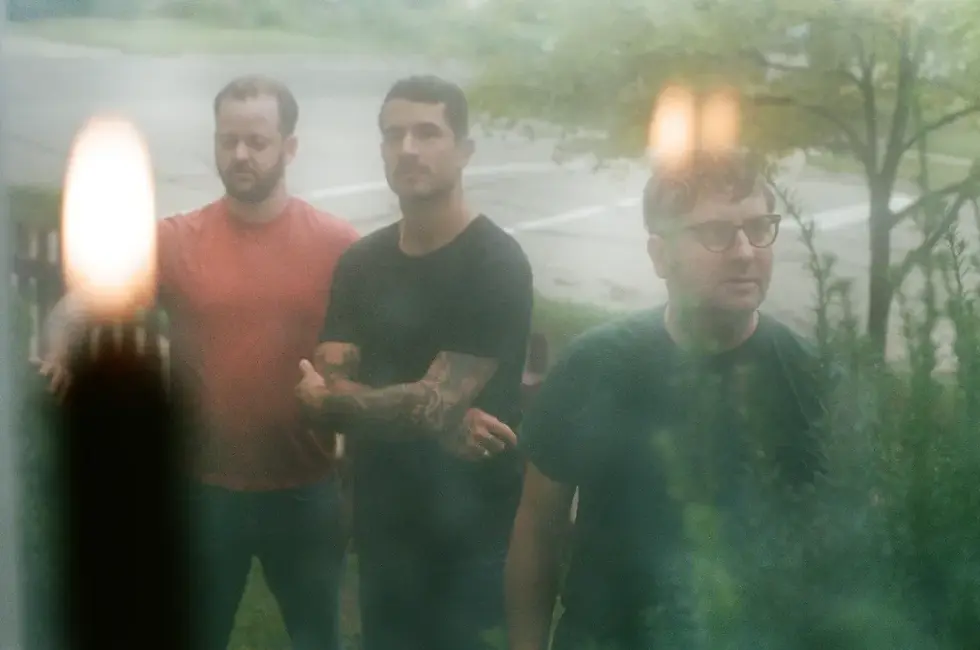
Time Creep also arrive with serious musical history behind them. Stanton's previous work with Awesome Color and Turn To Crime brought years of touring and opportunities to share stages with influential artists, while drummer Stefan Krstovic and bassist Nick Zomparelli bring their own experience from Michigan's wider underground scene. The trio played their first show opening for Protomartyr in 2023, and Movement of Youth captures a band drawing on those experiences without allowing its past to dictate its future.

What makes this debut so enjoyable is its refusal to behave. It can be melodic without becoming predictable, noisy without descending into aimlessness, and thoughtful without feeling weighed down by its own ideas. The songs leave space for accidents and unexpected turns, creating a loose, restless atmosphere that feels refreshingly alive. There is no grand attempt to reinvent rock music here, just three musicians following their instincts and making something that sounds genuinely theirs.
Movement of Youth is an engaging introduction to a band with plenty of room to grow, but it already has a distinctive identity: angular, melodic, scruffy, occasionally surreal and full of nervous energy. Time Creep have turned years of experimentation into a debut that feels less like a final destination than the beginning of a much bigger adventure. In a musical landscape that can sometimes feel obsessed with perfection, their willingness to embrace the unfinished, the unexpected and the gloriously wonky makes this one worth spending time with.
Verdict: A wiry, adventurous and irresistibly off-centre debut that finds melody in the mess and momentum in the noise. Time Creep aren't looking backwards; they're making their own kind of beautiful racket.
Listen here: Time Creep


Comments